
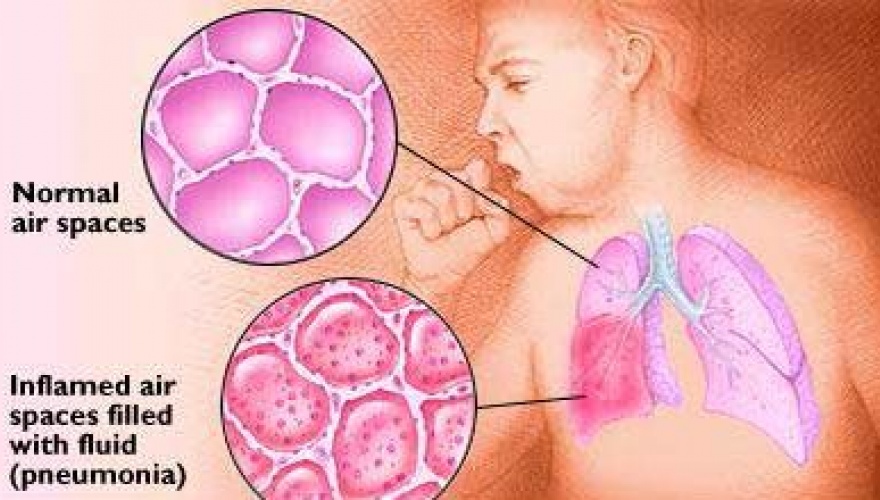
Pneumonia is an infection of the lungs that involves the small air sacs (alveoli)and the tissues around them. Causes Pneumonia is not a single illness but many different ones, each caused by a different microscopic organism. Usually pneumonia starts after organisms are inhaled into the lungs, but sometimes the infection is carried to the lungs by the bloods treamor it migrates to the lungs directly from a near by infection.
In adults, the most common causes are bacteria, such as streptococcus pneumoniae, staphylococcus aureus, Legionella, and hemophilus influenzae. Viruses, such as influenza and chickenpox, can also cause pneumonia, Mycoplasma pneumoniae, a bacteria-like organism, is a particularly common cause of pneumonia in older children and younger adults.
Some fungi also cause pneumonia. Resistance some people are more susceptible to pneumonia than others. Alcoholism, cigarette-smoking, diabetes, heart failure, and chronic obstructive pulmonary disease all predispose people to pneumonia. The very young and very old are also at higher than average risk. So are people whose immune system is suppressed by certain drugs (such as those used to treat cancer and those used to prevent the rejection of an organ transplant).
People who are incapacitated, bedridden, paralyzed, or unconscious or who have a disease that impairs the immune system, such as AIDS, are also at risk. Pneumonia may follow surgery, particularly abdominal surgery, or an injury (trauma), particularly a chest injury, because of the resulting shallow breathing, impaired ability to cough, and retention of mucus. Staphylococcus aureus, pneumococci, Hemophilus influenzae, or a combination of these organisms is often the cause. To be concluded next edition insha Allaah.
This article was culled from the publications of Deen Communication Limited