
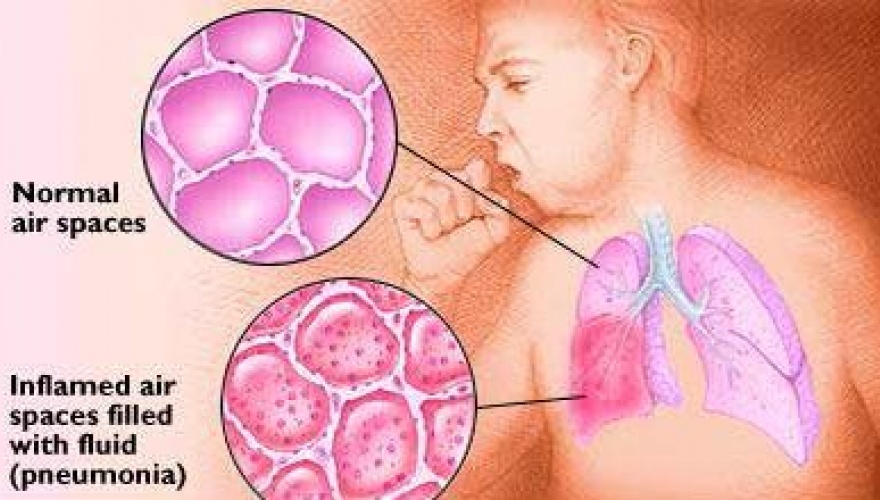
Symptoms & Diagnosis
Common symptoms of pneumonia are a cough that produces sputum, chest pain, chills, fever, and shortness of breath. These symptoms may vary, however, depending on how extensive the disease is and which organism is causing it. When a person appears to have pneumonia, a doctor listens to the chest with a stethoscope to evaluate the condition. Pneumonia usually produces distinctive changes in the way sounds are transmitted, which can be heard with the stethoscope.
In most cases, the diagnosis of pneumonia is confirmed with a chest x-ray, which often helps determine which organism is causing the disease. Sputum and blood specimens also are examined in an attempt to identify the organism causing pneumonia. However, the precise organism cant be identified in up to half of people who have pneumonia.
Treatment
Deep-breathing exercises and therapy to clear secretions help prevent pneumonia in people at high risk, such as those who have had chest surgery and those who are injured. People with pneumonia also need to clear secretions. Often, people who arent very sick can take oral antibiotics and remain at home. The elderly and those who are short of breath or have preexisting heart or lung disease are generally hospitalized and given intravenous antibiotics. They may also need supplemental oxygen, intravenous fluids, and mechanical respiratory support.
This article was culled from the publications of Deen Communication Limited