
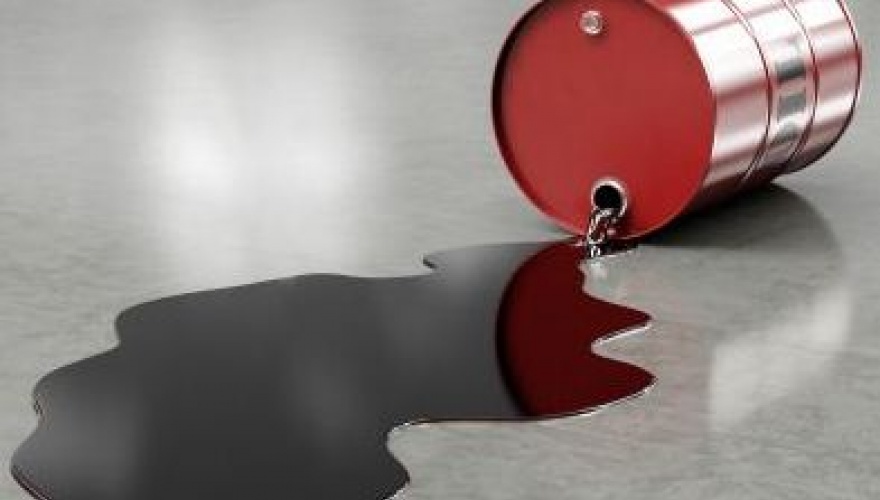
The fuel queue is unusually becoming a usual part of our lives. Statements like "go to XYZ fuel station - there's no queue there; only twenty or so cars on each line" now pass unremarkably by. During military rule, we were made to believe that fuel shortages were a symptom of the military's inefficiency, and when the queues disappeared upon the emergence of civilian governance, it was a cardinal promise fulfilled. But the fuel queues have since re-surfaced, and all we have been fed with is a surfeit of excuses (striking oil workers in Nigeria, striking oil workers in Venezuela, local saboteurs, the US/British War against Iraq. They even blame consumers for buying too much fuel; panic buying (!) they call it). Now we are being told that Nigeria is losing over 350,000 barrels of crude oil or10% of daily national output to illegal activities in the Niger-Delta. This fuel crisis is a cardinal failure unadmitted.
Discussing the causes of the shortage or expecting the culpable parties to take responsibility for the collapse of this crucial sector of our economy is apparently a futile venture. Ours is a largely rudimentary economy. The availability of fuel is a critical factor to the sustenance of production and the maintenance of ordinary life. In this type of economy, even a brief shortage is enough to dislocate everything else. Transportation becomes more expensive, prices of food and goods go up, and several otherwise productive hours are wasted in tortuous fuel queues. The financial loss to the nation can hardly be quantified for each day that the scarcity persists.
In such circumstance, you would expect that those who foist themselves on us as our leaders would think of ways of preventing such loss. Does anybody need ask why it is that not one of Nigeria's four refineries is in good order, meaning that we have to export our raw crude and then pay extra in scarce foreign currency to import processed fuel? The Americans have successfully taken over Iraqi oil facilities and are expected to flood the market and force down crude prices. What does that portend for us, an oil producing country that still has to import every litre consumed locally? Meanwhile, those responsible for this dire state of affairs have been busy winning re-elections and proving to us the ominous rewards that steadfastness offers in a democracy!
So, rather than waste time bellyaching, we are challenged to live up to the stresses of our contemporary life. You might have noticed that fuel crises, as with other disruptions, have a way of reshaping our social setting and bringing home the reality of our essential nothingness. Whatever high status we think our shiny cars or starched clothes confer on us the fuel queue soon brings us back to reality as we find ourselves jostling for space on meandering queues whose length is only matched by the hopelessness of the situation. Even those who do not have to queue for fuel often have to negotiate black market rates with rough hemp-smoking characters that they would rather stay miles away from.
In the scarcity equation, a new elite is created almost overnight: the fuel attendant who would normally fawn over you, wipe your windscreen and beg you for "something" suddenly becomes legal, barking at you, and threatening to sell only 25 litres to you if you refuse to add "something" to the pump price - it's a good time to have fuel attendants or petrol station owners as in-laws!. Area boys become self-assigned security men, proving that with some little effort, even the sell-admitted dregs of our society can be put to some use. Some use queue-time to memorise the Qur'aan, catch up on lost sleep, makes new friends, whatever. Yet many more have learnt to do away with personal cars and take the popular option, illustrating the fact that many of the things we pretend we cannot live without are in fact not necessary for our survival. We are role-players in a hidden script, if we only think about it.
But all told, it's easier for us, no doubt: we can live with the inconvenience, the high cost of public transportation, and the long hours spent at bus stops' and fuel queues. With a little effort, we can stomach other symptoms of this temporary dislocation of our social lives. We can still maintain a semblance of normal life, and we have the hope that soon, Allaah willing, we will get some reprieve. When government officials say that the only solution is the removal of subsidies on petroleum products, we can laugh off the cruel joke, knowing that someday soon, someone will deign to explain to us how come the subsidy has not been exhausted after the several increases in the price of fuel.
General Abacha told us that it costs N18 to produce one litre of oil. We now pay N26 per litre, and they still say we are being subsidized. The mere thought may be uncomfortable, but we know that having "won" re-election, our imperial authorities would soon announce yet another fuel price increase which we would have no choice but to accept when told that it's the only way to guarantee continuous supply!
In spite of all these, we must still consider ourselves fortunate. The imperfections of our society are generally self-inflicted and are easily overcome, when/if we choose to win back our honour. What would we say of the people of Iraq who had to live with dap and nights of sporadic bombing of their homes, markets and offices? They would tell a different story. We can hope to go back to our usual routines once this crisis is over. But what life would the nine years old who lost all of his family and all of his limbs to America's liberating bombs go back to? What routine would the man who lost nine children to America's precisely targeted missiles resume? Every day, so many Palestinians continue to be murdered by the Israeli army for having the effrontery to be alive in the occupied territories, Kashmiris, Ihechens, Afghans. What would they give for the luxury of whiling away time on a sluggish fuel queue, rather than having to choose between bombs, bullets and bayonets.
We should remember to give thanks when we complain; we are certainly better off.
This article was culled from the publications of Deen Communication Limited